The modern office is no longer just a place to work. In 2026
office spaces are evolving into environments that combine creativity, flexibility, comfort, and identity. Among the many interior styles dominating commercial spaces today, industrial office design continues to stand out as one of the most timeless and adaptable concepts.
Originally inspired by old factories and warehouses, industrial design has transformed into a sophisticated style that blends raw materials, minimalist aesthetics, and functional layouts. Businesses today are embracing industrial interiors not only because they look stylish, but also because they create inspiring and productive environments for employees and clients alike.
As workplace culture continues to change, industrial office design trends are also becoming more innovative. From eco-conscious materials to hybrid workspaces, the industrial office of 2026 is smarter, warmer, and more human-centered than ever before.
Here are the top 5 industrial office design trends expected to dominate in 2026.
1. Warm Industrial Aesthetics
For many years, industrial interiors were associated with cold metal finishes, dark colors, and rigid environments. However, in 2026, the trend is shifting toward a softer and warmer industrial look.
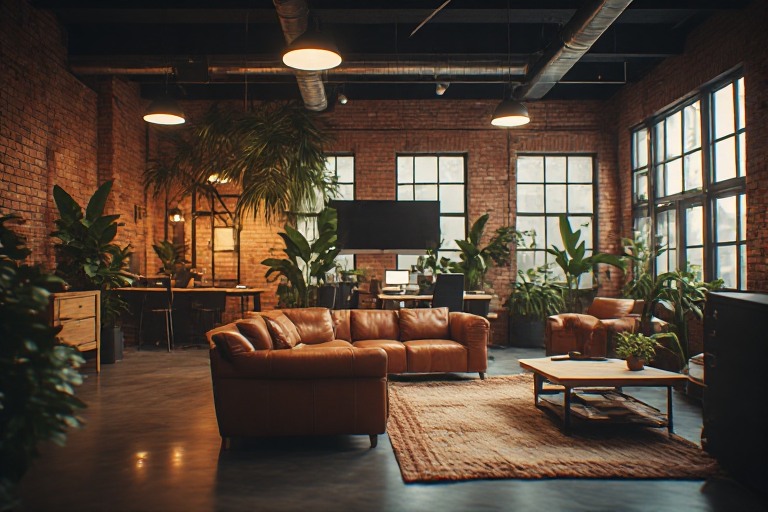
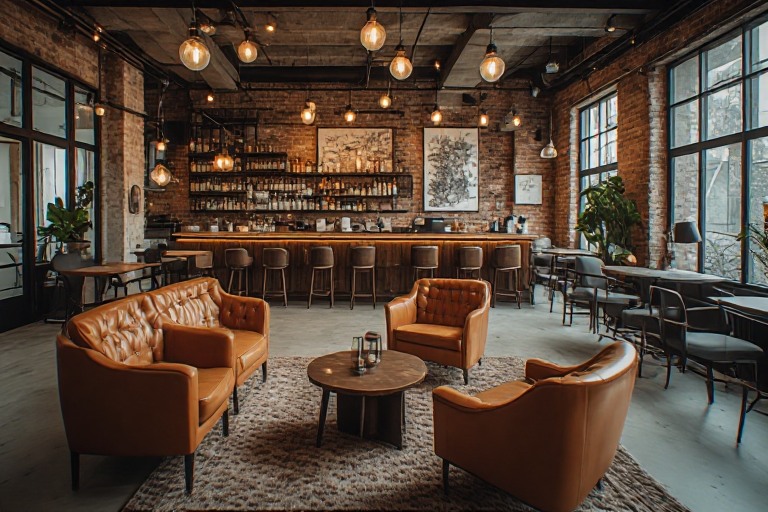
Designers are now combining raw industrial elements with natural textures and cozy accents to create spaces that feel welcoming instead of harsh. Offices are introducing warm wood finishes, soft lighting, earthy color palettes, textured fabrics, and indoor greenery to balance the raw appearance of concrete and steel.
The goal is to maintain the authentic industrial character while improving comfort and emotional well-being.
Key Features of Warm Industrial Offices:
- Exposed brick walls combined with warm wood furniture
- Matte black steel frames with beige or earthy tones
- Soft ambient lighting instead of overly bright white lights
- Leather sofas and textured seating areas
- Natural plants integrated into the workspace
This trend reflects the growing awareness that employees perform better in environments that feel comfortable and inspiring. A warm industrial office creates a balance between professionalism and relaxation, making the workplace more enjoyable for everyday use.
2. Flexible Hybrid Workspaces
The rise of remote and hybrid work has completely changed how offices are designed. In 2026, industrial offices are becoming more flexible and multifunctional to support different working styles.
Traditional office layouts filled with cubicles are quickly disappearing. Instead, businesses are creating adaptable spaces where employees can move freely depending on their tasks and preferences.
Industrial design naturally supports this trend because open layouts and warehouse-inspired structures provide flexibility for rearranging spaces.
Popular Flexible Workspace Ideas:
- Modular desks that can be rearranged easily
- Collaborative lounge areas
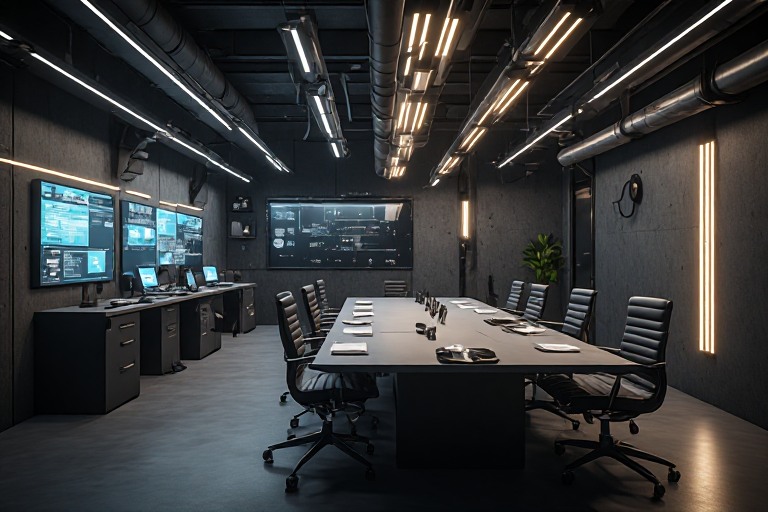
- Soundproof industrial-style meeting pods
- Multi-purpose conference rooms
- Casual café-inspired corners for brainstorming sessions
Movable furniture and open ceilings help create a spacious environment while maintaining the industrial aesthetic.
Companies are also prioritizing “activity-based working,” where employees choose different zones depending on whether they need focus, collaboration, or relaxation.
This approach improves productivity and supports healthier work habits while maintaining a modern industrial identity.
3. Sustainable and Eco-Friendly Materials
Sustainability is becoming one of the most important priorities in interior design, and industrial offices are no exception. In 2026, eco-conscious industrial spaces are expected to become the standard rather than the exception.
One reason industrial design works so well with sustainability is because the style already celebrates recycled and unfinished materials. Instead of hiding imperfections, industrial interiors embrace authenticity and reuse.
Businesses are now investing in environmentally friendly office designs that reduce waste and energy consumption while still looking modern and stylish.
Sustainable Industrial Design Elements:
- Reclaimed wood furniture
- Recycled metal fixtures
- Energy-efficient LED lighting
- Low-VOC paint and eco-friendly finishes
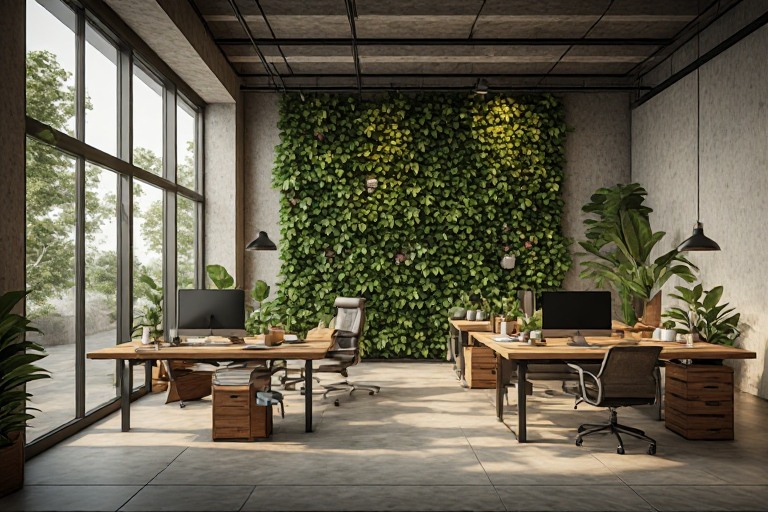
- Large windows for natural lighting
- Smart ventilation systems
Many offices are also incorporating biophilic design principles by adding more plants, natural airflow, and sunlight into industrial environments.
In addition to reducing environmental impact, sustainable office designs can also improve employee health and reduce long-term operational costs.
Employees increasingly value companies that care about sustainability, making eco-friendly office design both a practical and branding advantage.
4. Smart Technology Integration
Technology is becoming deeply integrated into office design, and industrial workspaces in 2026 are embracing smart solutions more than ever before.
Modern industrial offices are no longer just visually appealing — they are also intelligent and highly functional.
Smart office technology helps improve productivity, energy efficiency, communication, and overall workplace experience.
Examples of Smart Industrial Office Features:
- Automated lighting systems
- Smart climate control
- Wireless charging stations integrated into furniture
- Voice-controlled meeting rooms
- Digital booking systems for workspaces
- Acoustic technology for noise reduction
One interesting trend is the seamless blending of technology with industrial materials. For example, smart screens are being embedded into concrete walls, while hidden cable systems maintain clean and minimalist aesthetics.
Technology is also supporting employee wellness. Smart desks with adjustable height settings, air quality monitoring systems, and circadian lighting are becoming increasingly common in industrial office environments.
In 2026, the ideal industrial office is not only beautiful but also highly connected and efficient.
5. Industrial Spaces with Hospitality-Inspired Comfort
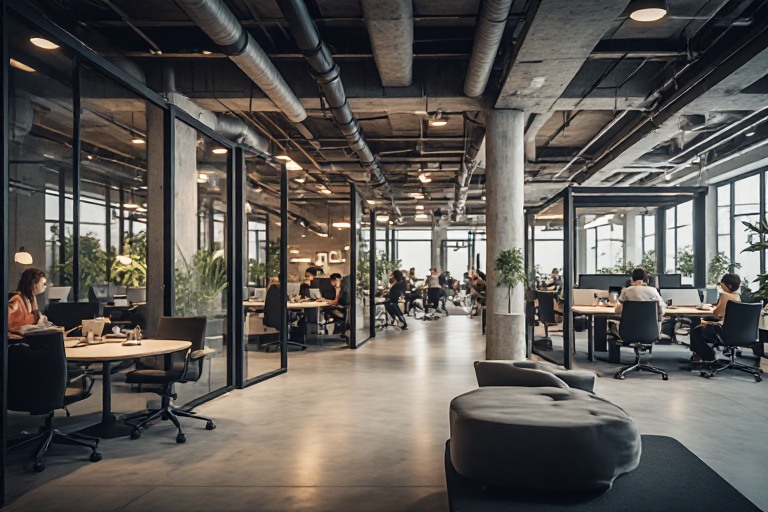
Another major trend shaping industrial office design in 2026 is the influence of hospitality interiors. Offices are beginning to feel more like boutique hotels, creative cafés, or luxury lounges rather than traditional workplaces.
Businesses now understand that office environments play a huge role in employee satisfaction, creativity, and company culture.
As a result, industrial offices are incorporating more lifestyle-oriented spaces designed for relaxation, social interaction, and mental well-being.
Hospitality-Inspired Industrial Features:
- Coffee bar areas with industrial café aesthetics
- Lounge seating with premium materials
- Decorative pendant lighting
- Stylish reception areas
- Relaxation corners and wellness rooms
- Artistic wall décor and statement furniture
This trend is especially popular among creative agencies, startups, digital companies, and modern coworking spaces.
The combination of industrial architecture and hospitality-inspired comfort creates an office atmosphere that feels both professional and human-centered.
Employees are more likely to enjoy coming to work when the office feels inspiring, comfortable, and emotionally engaging.
Why Industrial Office Design Continues to Thrive
Industrial office design remains popular because it offers something many other styles cannot: authenticity.
Unlike overly polished corporate interiors, industrial spaces feel real, functional, and full of character. The exposed structures, raw textures, and open layouts create an environment that encourages creativity and innovation.
Another reason for its popularity is versatility. Industrial design works well for various industries, including:
- Digital marketing agencies
- Creative studios
- Tech startups
- Architecture firms
- Coffee shop offices
- Coworking spaces
- Fashion and lifestyle brands
Industrial interiors can also be adapted to different budgets. Some businesses choose luxurious industrial aesthetics with premium finishes, while others embrace a more minimalist warehouse-inspired look.
This flexibility makes industrial office design one of the most enduring trends in modern commercial interiors.
Final Thoughts
As we move into 2026, industrial office design is evolving far beyond its original warehouse-inspired roots. Today’s industrial offices are warmer, smarter, more sustainable, and more employee-focused than ever before.
The future of workplace design is not just about appearance — it is about creating environments that improve productivity, support mental well-being, and strengthen company identity.
The top industrial office trends of 2026 show that businesses are seeking a balance between functionality and emotional experience. Warm aesthetics, flexible layouts, sustainable materials, smart technology, and hospitality-inspired comfort are shaping the next generation of industrial workspaces.
For companies looking to create a modern and inspiring office environment, industrial design remains one of the strongest and most future-proof choices available today.