Designing a small vintage café can be both exciting and challenging
. Limited space often forces café owners to think creatively about layout, furniture placement, and customer flow. However, when done correctly, a small café can actually feel more intimate, cozy, and memorable than a large commercial coffee shop.
Vintage cafés have become increasingly popular because they create emotional experiences. Customers today are not only looking for good coffee — they are searching for atmosphere, comfort, aesthetics, and a sense of nostalgia. A well-designed vintage café can turn a tiny space into a destination people want to revisit and photograph.
The key is understanding how to maximize every square meter without making the café feel crowded or uncomfortable.
In this article, we’ll explore practical strategies to layout a small vintage café for maximum space while maintaining charm, warmth, and functionality.
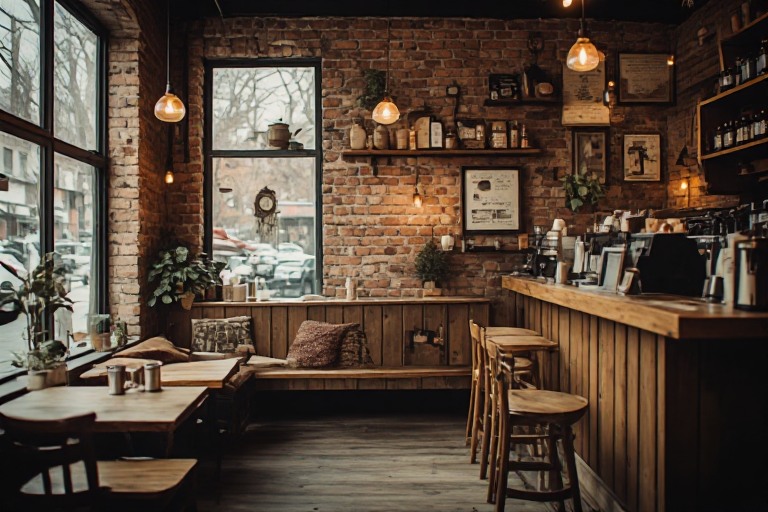
1. Start with a Clear Floor Plan
Before choosing furniture or decorations, the most important step is creating a clear floor plan.
Many café owners make the mistake of buying tables, chairs, and décor items before fully understanding how customers and staff will move through the space. In a small café, even a few centimeters can make a huge difference.
A smart layout should prioritize:
- Comfortable customer movement
- Efficient staff workflow
- Easy access to seating
- Clear visual openness
Recommended Space Zones:
- Entrance area
- Ordering counter
- Seating area
- Walkway circulation
- Barista workspace
- Decorative focal points
The best small cafés often use an open visual concept where customers can immediately see most of the interior upon entering. This creates an illusion of spaciousness.
Sketching your layout beforehand can help avoid expensive mistakes later.
2. Use Multi-Functional Furniture
In small vintage cafés, furniture should not only look beautiful but also serve multiple purposes.
Bulky furniture can quickly make a café feel cramped. Instead, choose compact pieces that maximize usability without sacrificing aesthetics.
Smart Furniture Ideas:
- Bench seating with hidden storage
- Foldable vintage-style tables
- Stackable wooden chairs
- Wall-mounted counters
- Slim-profile furniture designs
Vintage cafés often use reclaimed wood furniture, iron frames, and antique-inspired seating. To save space, combine these vintage elements with minimalist proportions.
For example:
- Use narrow café tables instead of large dining tables
- Choose vertical shelving instead of wide cabinets
- Install floating shelves for décor and storage
Multi-functional furniture helps maintain a clean and organized appearance, which is essential in small spaces.
3. Maximize Vertical Space
When floor space is limited, the walls become your greatest asset.
Many successful small vintage cafés use vertical design techniques to create storage, decoration, and visual interest without overcrowding the room.
Ways to Utilize Vertical Space:
- Tall industrial shelves
- Hanging plants
- Vintage wall frames
- Floating wood shelves
- Ceiling-mounted lighting
- Vertical menu boards
A vertical layout naturally draws the eyes upward, making the café appear taller and more spacious.
Vintage interiors work especially well with layered wall textures such as:
- Exposed brick walls
- Distressed wood panels
- Retro typography signs
- Antique mirrors
Mirrors are particularly effective in small cafés because they reflect light and visually double the perceived space.
4. Prioritize Natural Lighting
Lighting has a massive impact on how spacious a café feels.
Dark interiors can make small spaces feel narrow and heavy, while natural lighting creates openness and warmth.
Vintage cafés often rely on soft ambient lighting for atmosphere, but balancing this with natural light is crucial.
Tips for Better Lighting:
- Use large windows whenever possible
- Avoid heavy curtains
- Choose warm white lighting
- Install pendant lamps strategically
- Use mirrors to reflect sunlight
In 2026, many café designs are blending vintage aesthetics with modern lighting solutions.
For example:
- Edison bulbs combined with hidden LED lighting
- Industrial pendant lamps above communal tables
- Warm under-shelf lighting for cozy ambiance
The goal is creating a bright but intimate atmosphere.
A well-lit small café instantly feels more inviting and comfortable.
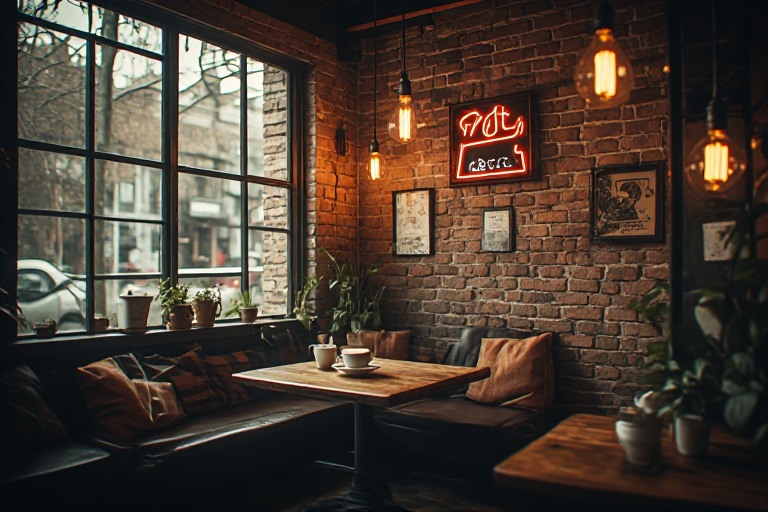
5. Create Efficient Seating Arrangements
Seating layout is one of the most important factors in small café design.
Too many seats will make the café feel crowded. Too few seats may reduce profitability.
The challenge is finding the perfect balance between comfort and capacity.
Effective Seating Strategies:
- Place seating along walls
- Use corner spaces efficiently
- Combine small two-person tables
- Include one communal table
- Create flexible seating options
Wall bench seating is especially effective because it saves space compared to individual chairs.
Many vintage cafés also use mixed seating styles to create visual variety:
- Wooden stools
- Leather benches
- Retro dining chairs
- Industrial bar seating
This eclectic approach adds personality while keeping the space dynamic and visually interesting.
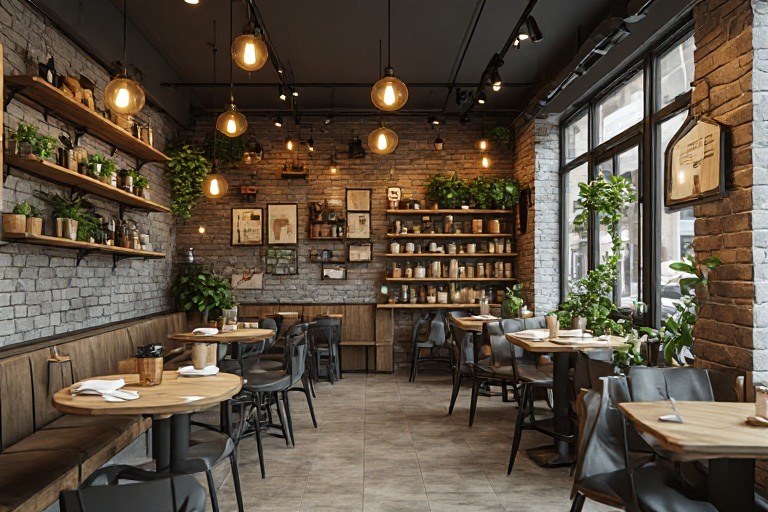
6. Keep the Color Palette Cohesive
Color plays a huge role in spatial perception.
Small cafés with too many contrasting colors can feel visually chaotic. A cohesive vintage-inspired palette helps create harmony and openness.
Recommended Vintage Café Colors:
- Warm brown
- Cream white
- Olive green
- Charcoal black
- Rustic wood tones
- Terracotta accents
Industrial vintage cafés often combine:
- Exposed concrete
- Natural wood
- Matte black metal
- Warm lighting
Lighter colors generally make spaces feel larger, while darker accents can add depth and character.
The key is maintaining visual consistency throughout the café.
7. Use Décor Strategically
One common mistake in vintage cafés is overdecorating.
Because vintage aesthetics rely heavily on nostalgic elements, café owners sometimes overcrowd the space with too many decorations.
In small cafés, less is often more.
Instead of filling every corner, focus on a few statement pieces.
Effective Vintage Décor Ideas:
- Antique clocks
- Retro coffee grinders
- Old vinyl records
- Vintage posters
- Rustic shelving
- Typewriters or cameras as display pieces
Choose decorations that enhance the café’s identity without interrupting movement or functionality.
Remember:
Décor should support the atmosphere, not overwhelm the room.
8. Design for Social Media Appeal
Modern café customers love taking photos.
Even small cafés can become highly popular if they offer visually attractive corners for Instagram, TikTok, or content creation.
In 2026, social-media-friendly café design is almost essential for organic marketing.
Popular Photo Spot Ideas:
- Vintage neon signs
- Artistic coffee bar area
- Textured brick walls
- Warm pendant lighting
- Cozy window seating
- Aesthetic latte presentation zones
The good news is that vintage design naturally photographs beautifully because of its textures, warm colors, and nostalgic atmosphere.
A single well-designed corner can become a strong branding tool for your café.
Final Thoughts
Designing a small vintage café is all about balance.
You want the space to feel cozy but not cramped, stylish but not overwhelming, functional but still full of personality.
By focusing on smart layouts, multi-functional furniture, vertical design, proper lighting, and efficient seating, even the smallest café can feel spacious and welcoming.
The charm of vintage cafés comes from emotional experience. Customers remember how a place makes them feel — not just how large it is.
A thoughtfully designed small café can become a favorite gathering place, a creative workspace, or even a local landmark.
In the end, great café design is not about having more space.
It is about using space with intention, creativity, and warmth.